Our roots
run deep.
Marama means woman. Niu means coconut. Put them together and you have our whole story: Fijian women turning the tree of life into everyday goodness.
STARTED IN 2018
SUVA, FIJI
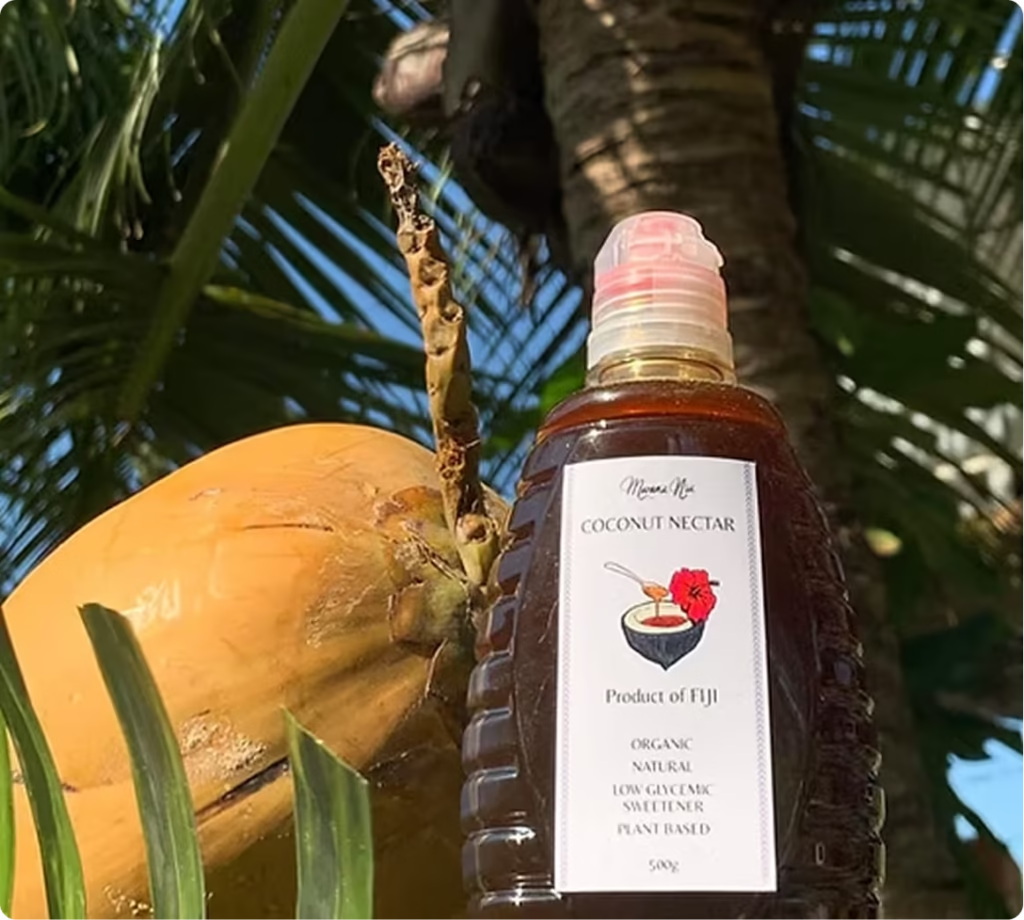
NECTAR FROM RABI ISLAND
STARTED
IN 2018.

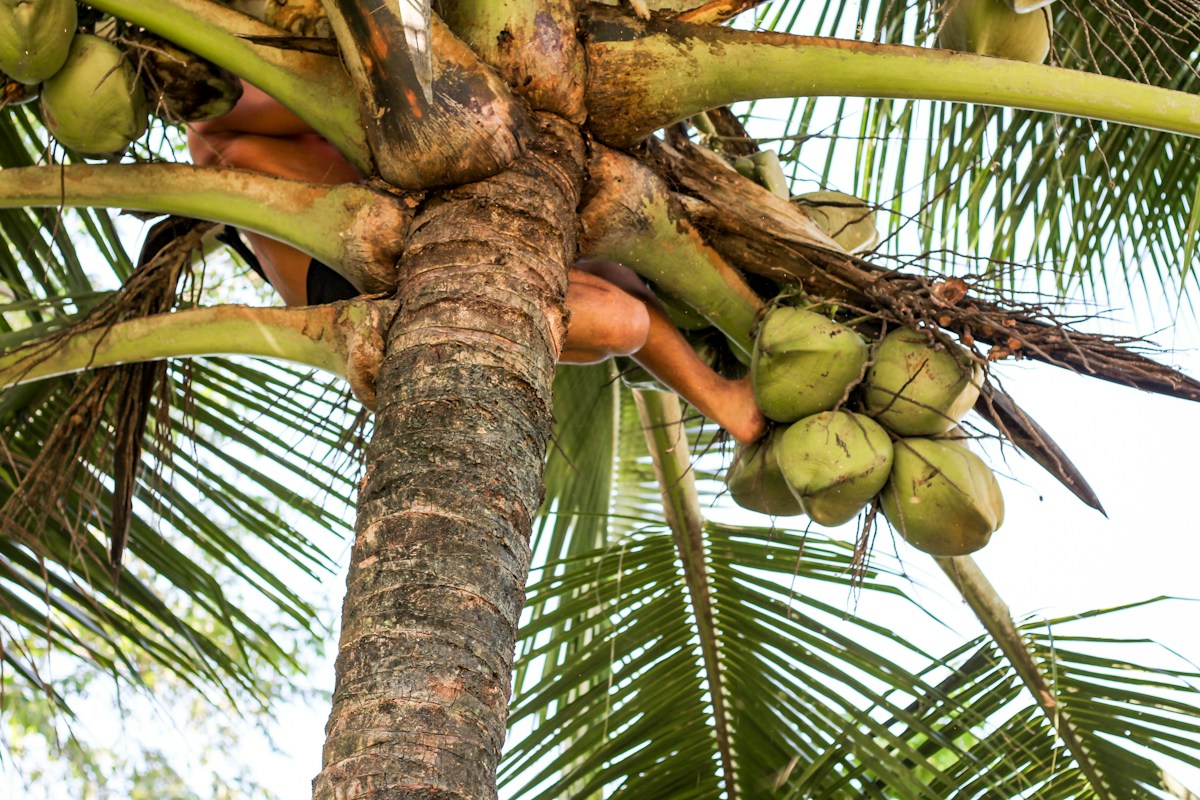
Niu: the tree that gives everything.
It started with a stick of Nice Cream.
In 2018, Kylie Daunoco couldn't shake the idea of an ice cream made from coconut. She tested recipes in her kitchen in Suva and sold the first batches straight from her driveway.
When lockdown arrived in 2020, she made it official. Marama Niu was born: dairy-free Nice Cream, sweetened with coconut nectar instead of refined sugar.
That nectar changed everything. When border closures cut off the nectar she had been importing from Tuvalu, Kylie looked closer to home and found the Banaban women of Rabi Island. Today their nectar sits at the heart of our range, alongside virgin coconut body oil and handmade soap.
“We were raised with the coconut tree at the centre of our lives. It fed us, taught us, and grounded us.”
Kylie Daunoco, founder
Every drop is tapped by hand.
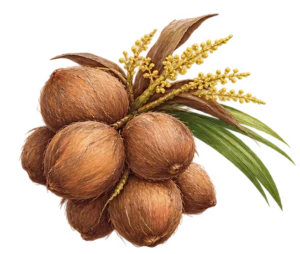
Our coconut nectar is made by Banaban women on Rabi Island, keepers of a toddy-tapping tradition they call kamaimai. It takes patience, a steady climb and a whole day of slow heat.
01
Bind the blossom
A young coconut flower spathe, te ari, is massaged and bound with rope, then cut with a knife kept only for this work.
02
Collect the sap
Sweet sap, te karewe, drips into a hanging container. Tappers climb the palm to gather it every morning and every evening.
03
Simmer it slow
The fresh sap is boiled for five to six hours until it turns a deep reddish brown. That rich syrup is te kamaimai.
04
Bring it home
We bottle it as Marama Niu coconut nectar, so the sweetness of Rabi can reach your pancakes, your tea and your baking.

Te kamaimai: coconut sap, slow-simmered to caramel.

Why Rabi Island?
In December 1945, Banaban families arrived on Rabi Island in northern Fiji, displaced from their home island of Banaba by phosphate mining and wartime occupation. They carried their customs with them, kamaimai among them. Over the years, as young people left for school and work, the practice began to fade.
Through our partnership with PHAMA Plus, funded by Australia and New Zealand, nectar-making on Rabi was revived and strengthened, from bottling to storage to transport. Today the women of Rabi supply both our coconut nectar and our virgin coconut oil.
From a driveway to shelves across Fiji.
No investors, no shortcuts. Just a kitchen in Suva, a coconut tree and the women who believed in it, one year at a time.
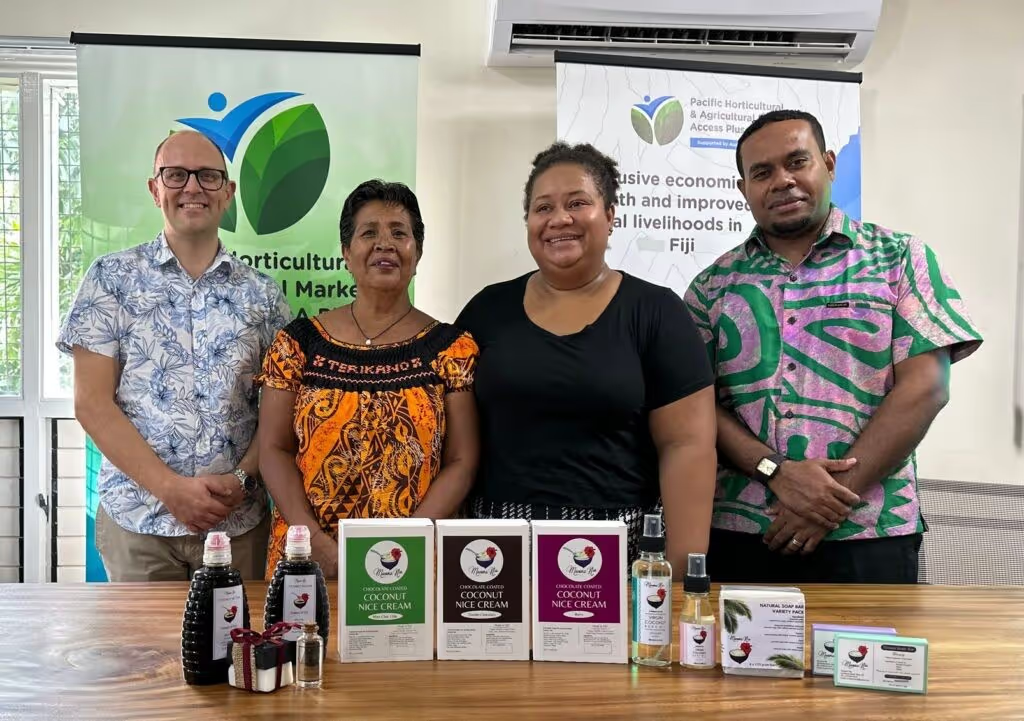
Growing with partners who believe in Pacific-made.
2018
A kitchen idea
Kylie tests coconut-based ice cream at home in Suva and sells the first batches from her driveway.
2020
Marama Niu is born
During lockdown, Kylie makes it official with dairy-free Nice Cream, sweetened with coconut nectar.
2021
Rabi joins the story
With Tuvalu’s borders shut, Kylie turns to Rabi Island, where Banaban women have made kamaimai for generations but never to sell.
2022
Chocolate-coated Nice Cream
Our chocolate-coated range launches in June across five dairy-free, gluten-free flavours.
2023
Partnering with PHAMA Plus
A partnership to improve how Rabi’s nectar is bottled, stored and transported, with food safety training on the island itself. With Pacific Makete, we reach more homes across Fiji.
Today
A whole coconut range
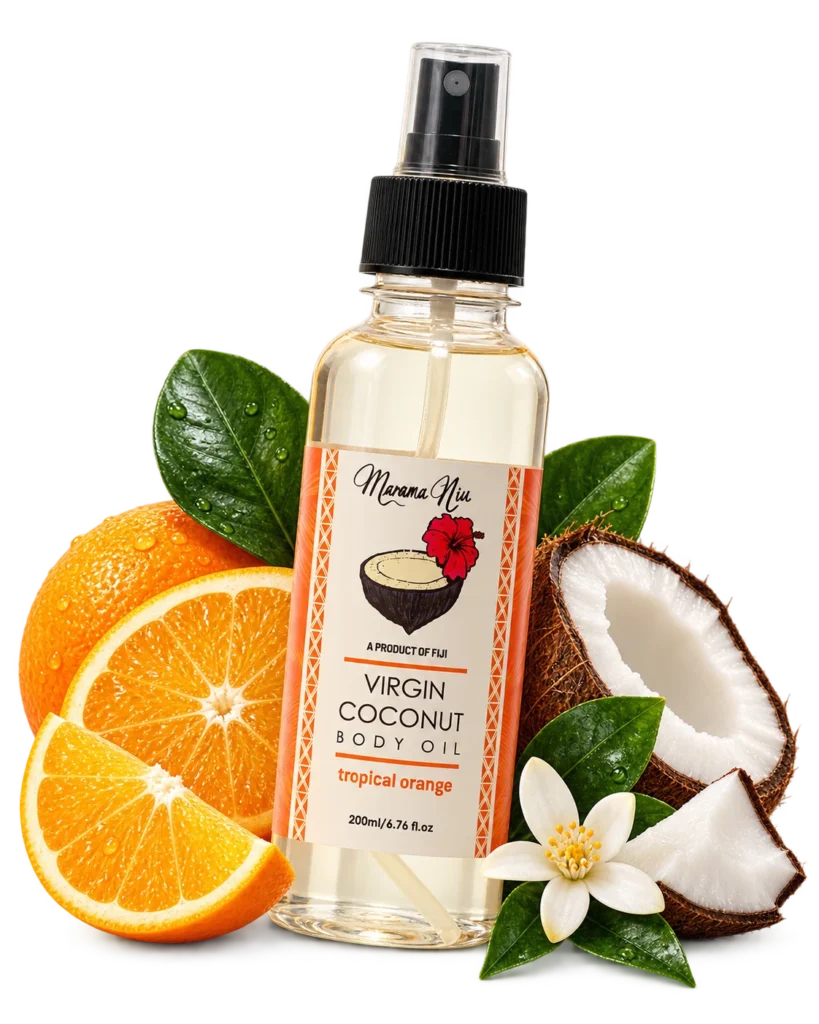
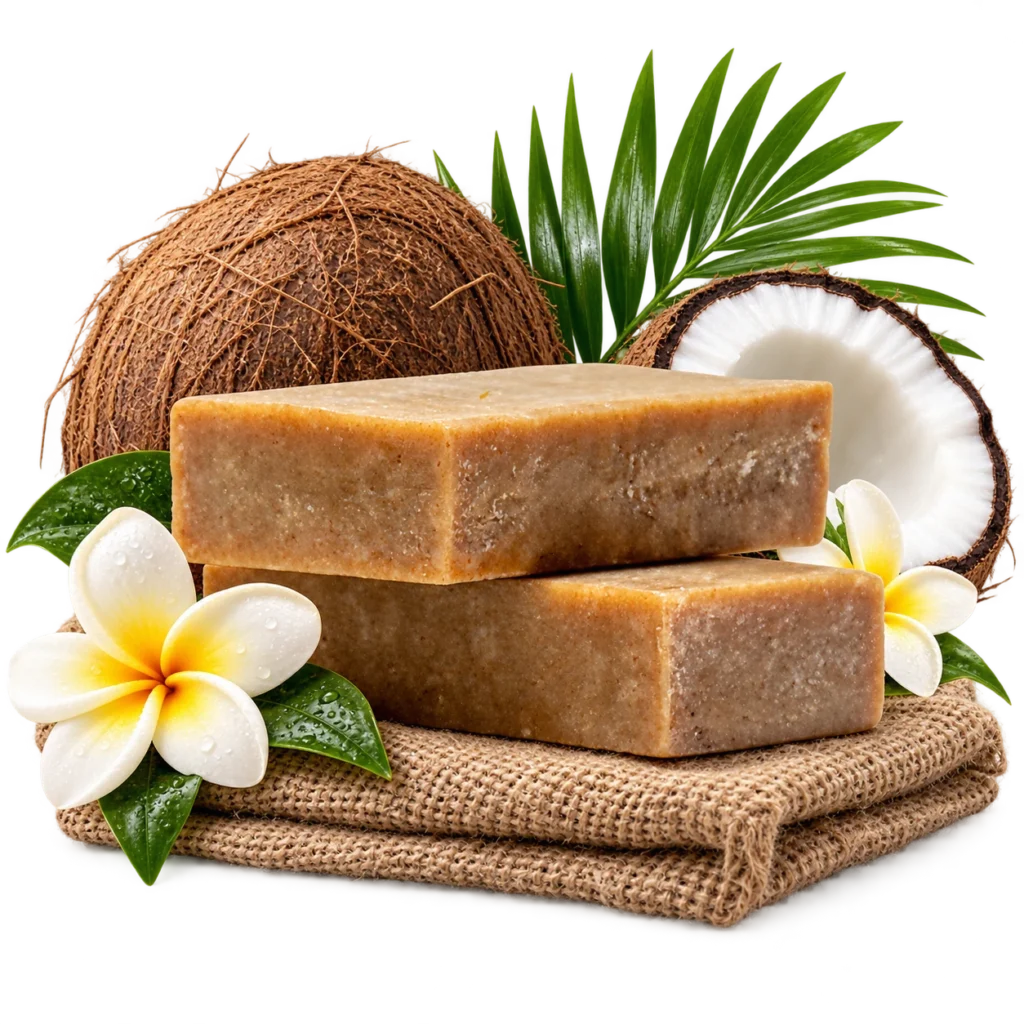
Coconut nectar, virgin coconut body oil and handmade soap, stocked from Suva supermarkets to Nadi International Airport.
The women behind the Niu.
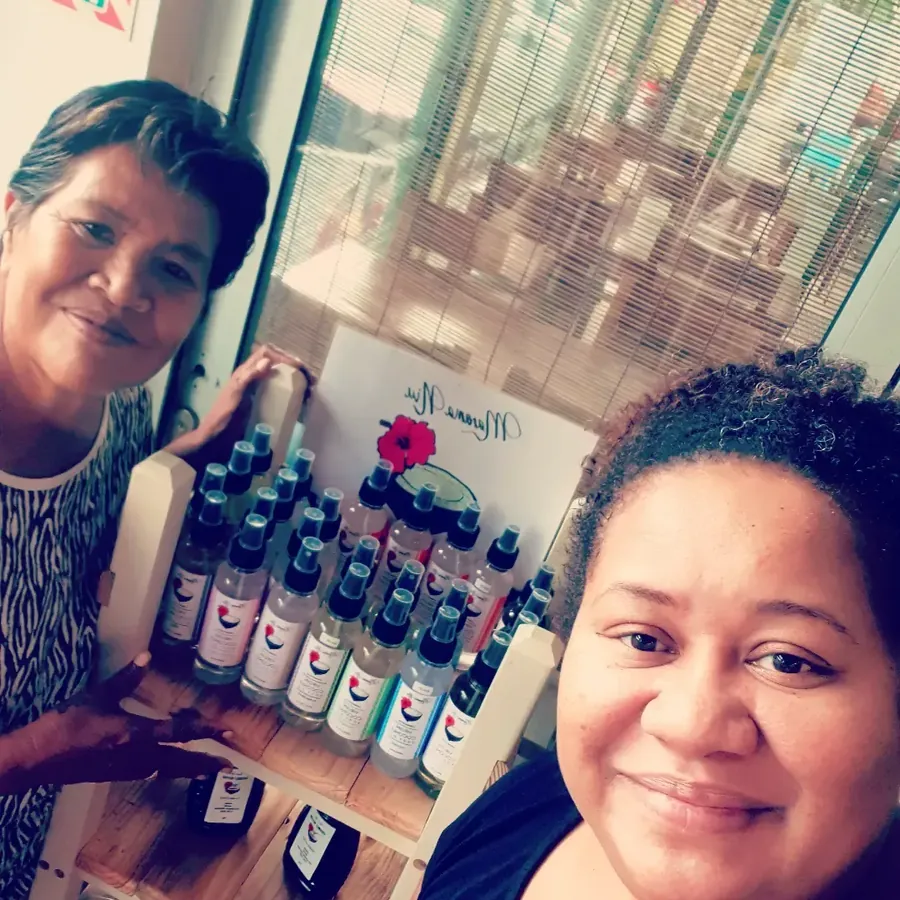
Marama means woman, and women carry this business at every step: Kylie in Suva, who turned a kitchen idea into a Fijian brand, and the Banaban women of Rabi, who cook fresh coconut sap into the nectar at its heart.
We honour the heritage that raised us by making coconut products that care for families the way our island traditions cared for us.
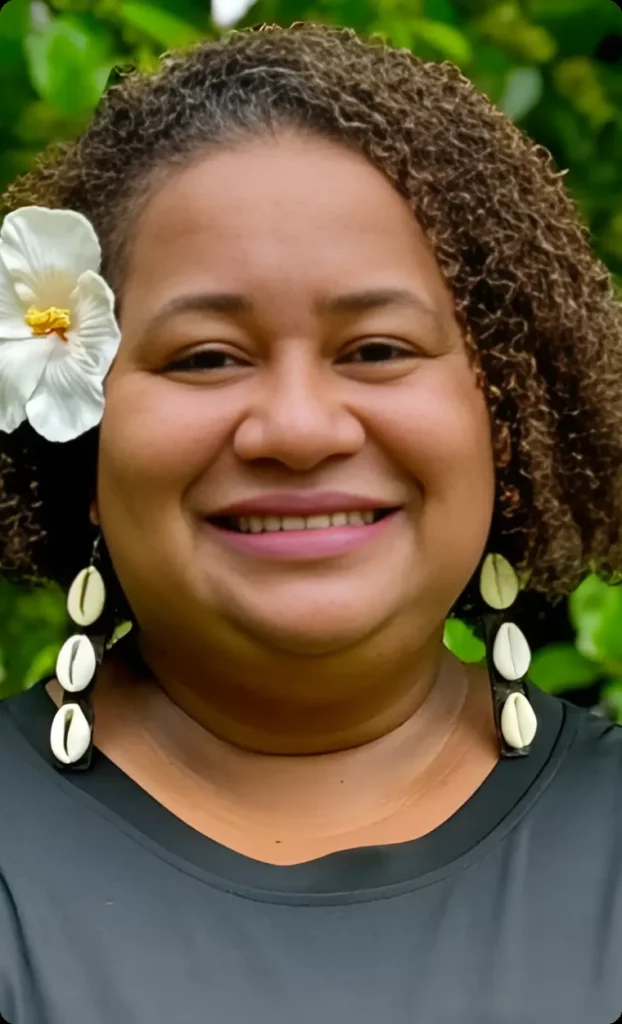
Kylie Patterson Daunoco
Founder & Director
Kylie turned a kitchen idea into a Fijian brand. Her rule for growing it: “We need to step outside of our comfort zone to grow.”
The women of Rabi
Nectar makers, Rabi Island
Banaban families brought kamaimai to Rabi in 1945. The toddy is cut in the cool of early morning, then the women cook the fresh sap, slowly, into nectar. Their craft, with help from neighbouring Kioa, sweetens everything we make.
What one bottle carries.
Income for Rabi households
Banaban women on Rabi are paid for every litre of nectar they supply, earning from a skill handed down through their families.
A tradition that stays alive
Every order keeps kamaimai in daily use, so the knowledge is passed on instead of fading away.
A women-led Fijian business
Our sales grew every year through our first three years. Each purchase keeps a small, proudly Fijian business moving forward.
We don’t grow alone.
These partners have helped us improve production, reach new shelves and share the story of Pacific-made goods. Vinaka vakalevu.
Taste
the story.
Coconut nectar from Rabi, virgin coconut body oil and handmade soap. Find them on shelves across Fiji, or message us and we’ll help you get your hands on some.